Your Complete Guide to Exploring Godhra in 2025
Nestled in the heart of Gujarat, Godhra stands as a testament to India's rich cultural tapestry and historical significance. This comprehensive travel guide will take you through everything you need to know about visiting this remarkable city, from its UNESCO World Heritage sites to its vibrant local culture, making your journey to Godhra an unforgettable experience.
Understanding Godhra: A City of Historical Significance
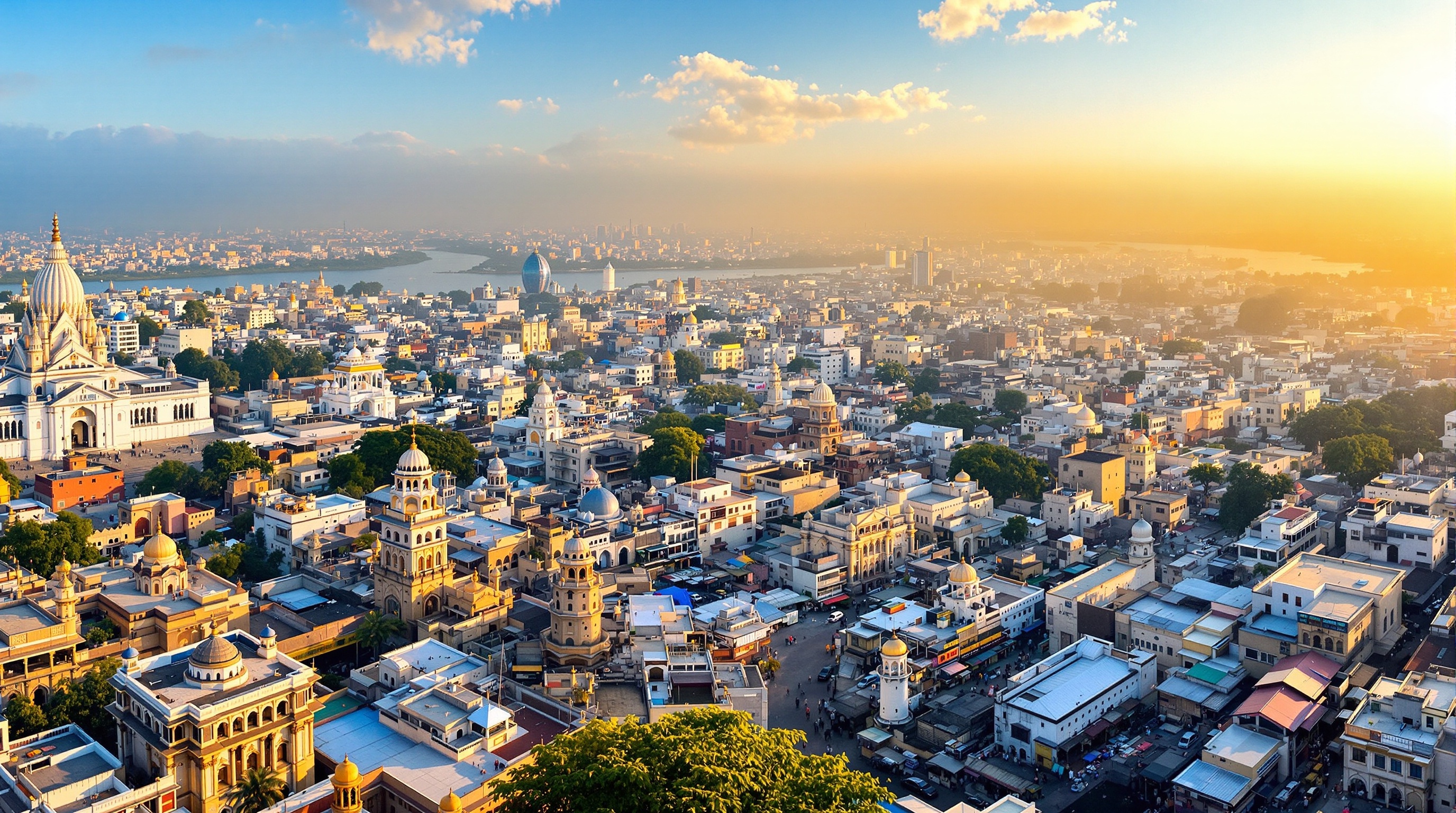
Godhra, officially known as Panchmahal, serves as the administrative headquarters of the Panchmahal district in Gujarat. Located approximately 120 kilometers from Ahmedabad, the state capital, this city has evolved from an ancient trading post to a modern urban center while maintaining its cultural authenticity. The name "Godhra" is believed to have originated from "Gou-dhara," meaning the land of cows, reflecting the region's historical association with cattle rearing and dairy farming.
The city's strategic location at the confluence of important trade routes has shaped its destiny for centuries. Sitting at an elevation of 113 meters above sea level, Godhra enjoys a relatively moderate climate compared to other parts of Gujarat. The Mesri River flows through the city, adding to its natural beauty and providing water resources that have sustained civilizations here for millennia.
The Gateway to UNESCO World Heritage
One of Godhra's most significant claims to fame is its proximity to the Champaner-Pavagadh Archaeological Park, a UNESCO World Heritage Site located just 45 kilometers away. This remarkable site represents the only complete and unchanged Islamic pre-Mughal city in India, offering visitors a unique glimpse into medieval Indian architecture and urban planning. The archaeological park encompasses impressive fortifications, palaces, religious buildings, residential precincts, agricultural structures, and water installations dating from the 8th to 14th centuries.
Why Visit Godhra in 2025?
- Enhanced Connectivity: Improved rail and road infrastructure making travel easier than ever
- Cultural Renaissance: Revival of traditional arts and crafts with modern interpretations
- Sustainable Tourism: New eco-friendly initiatives promoting responsible travel
- Digital Integration: Smart city features enhancing tourist experiences
- Authentic Experiences: Untouched by mass tourism, offering genuine cultural immersion
The Rich Historical Tapestry of Godhra
To truly appreciate Godhra, one must delve into its fascinating history that spans over a thousand years. The region has witnessed the rise and fall of numerous dynasties, each leaving its indelible mark on the city's cultural landscape. The Chauhan Rajputs, who ruled the area during the medieval period, established Godhra as an important administrative center. Their legacy can still be seen in the architectural remnants scattered throughout the region.
During the Sultanate period, Godhra gained prominence as a military outpost and trading center. The Mughal Empire further enhanced its importance by developing it as a key station on the royal road connecting Delhi to the ports of Gujarat. This period saw the construction of several mosques, tombs, and caravanserais, many of which still stand today as monuments to the city's multicultural heritage.
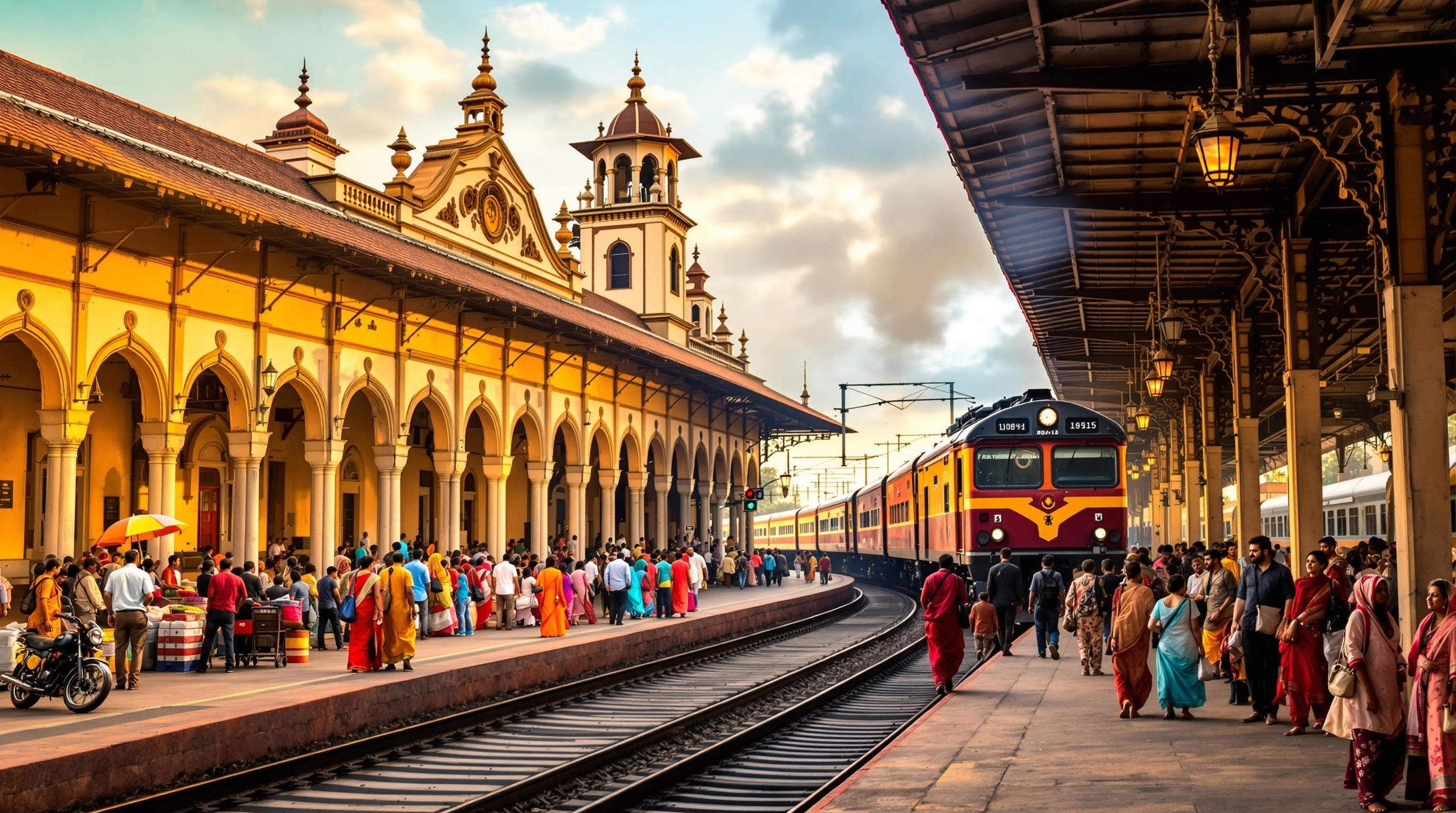
The British colonial era brought railways to Godhra in 1860, transforming it into a major junction on the Mumbai-Delhi route. The historic Godhra Railway Station, with its distinctive Indo-Saracenic architecture, remains one of the city's most photographed landmarks. The railway connection catalyzed industrial development and urban growth, establishing Godhra as an important commercial hub in central Gujarat.
Climate and Best Time to Visit
Understanding Godhra's climate patterns is crucial for planning your visit. The city experiences three distinct seasons, each offering different experiences for travelers. The winter season, spanning from October to March, presents the most favorable conditions for tourism. During these months, temperatures range from a pleasant 12°C to 28°C, with clear skies and minimal rainfall. This period coincides with several important festivals, making it ideal for cultural exploration.
The summer months from April to June can be challenging for visitors, with temperatures soaring up to 42°C. However, early mornings and late evenings during summer offer comfortable conditions for sightseeing, and the reduced tourist traffic means you'll have many attractions to yourself. The monsoon season, from July to September, transforms the landscape into a verdant paradise. While occasional heavy showers may disrupt outdoor activities, the dramatic skies and lush greenery create stunning photographic opportunities.
Monthly Weather Guide
- October-November: Post-monsoon freshness, festival season, ideal for all activities
- December-January: Cool and pleasant, perfect for heritage walks and outdoor exploration
- February-March: Spring bloom, comfortable weather, excellent for photography
- April-May: Hot but manageable with proper planning, fewer crowds
- June-September: Monsoon magic, budget-friendly travel, nature at its best
Getting to Godhra: Your Travel Options
Accessibility is one of Godhra's strong points, with multiple transportation options available for travelers. The city's strategic location on major transportation corridors ensures convenient connectivity from various parts of India and beyond.
By Railway
Godhra Junction is a major railway station on the Western Railway network, serving as a crucial stop on the Mumbai-Delhi Western Railway mainline. Over 100 trains pass through Godhra daily, connecting it to major cities across India. Premium trains like the Shatabdi Express, Rajdhani Express, and Gujarat Mail provide comfortable long-distance travel options. The station itself, classified as an A-category station by Indian Railways, offers modern amenities including waiting lounges, food courts, and digital information systems.
By Road
The National Highway 59 (formerly NH-8) passes through Godhra, providing excellent road connectivity. State-run and private bus services operate regular routes from Ahmedabad (2.5 hours), Vadodara (1.5 hours), and other major Gujarat cities. For those preferring private transport, the well-maintained highways make self-driving a viable option. Car rental services are readily available in nearby cities, with many offering chauffeur-driven vehicles for added convenience.
By Air
While Godhra doesn't have its own airport, Vadodara Airport, located 85 kilometers away, serves as the nearest air gateway. This airport handles both domestic and limited international flights. Sardar Vallabhbhai Patel International Airport in Ahmedabad, though slightly farther at 125 kilometers, offers more extensive flight options including direct international connections. Pre-paid taxi services and app-based cab options are available from both airports to Godhra.
Accommodation Options: Where to Stay in Godhra
Godhra offers a diverse range of accommodation options catering to different budgets and preferences. From heritage properties that transport you back in time to modern business hotels equipped with contemporary amenities, the city ensures comfortable stays for all types of travelers.
Budget travelers will find numerous guesthouses and dharamshalas offering clean, basic accommodation at economical rates. These establishments, often family-run, provide authentic local experiences and home-style Gujarati meals. Mid-range hotels, concentrated around the railway station and main commercial areas, offer air-conditioned rooms, attached bathrooms, and in-house restaurants serving multi-cuisine options.
For those seeking luxury, several premium hotels provide world-class amenities including swimming pools, spa services, and conference facilities. Many of these properties incorporate traditional Gujarati architectural elements in their design, creating unique ambiances that reflect local culture while ensuring modern comfort.
Accommodation Booking Tips
Book your accommodation well in advance during festival seasons, particularly during Navratri and Diwali when the city sees maximum tourist influx. Many hotels offer special festival packages including cultural programs and traditional meals. Consider staying in heritage properties for an authentic experience, or choose modern hotels near the railway station for convenience.
Culinary Delights: Exploring Godhra's Food Scene
No visit to Godhra is complete without indulging in its rich culinary traditions. Gujarati cuisine, known for its unique blend of sweet and savory flavors, reaches its pinnacle in this region. The city's food scene ranges from street-side stalls serving piping hot snacks to elegant restaurants offering elaborate thalis that showcase the diversity of regional cooking.
Start your culinary journey with a traditional Gujarati breakfast of fafda-jalebi, a combination of crispy gram flour snacks and sweet syrupy spirals, best enjoyed with a cup of masala chai. The local variation of khaman dhokla, steamed savory cakes made from fermented gram flour, are lighter and fluffier than versions found elsewhere. Street food enthusiasts must try the Godhra special sev usal, a spicy curry topped with crispy sev and served with pav bread.
For lunch, treat yourself to an authentic Gujarati thali, a elaborate meal served on a large platter featuring multiple small bowls containing different preparations. A typical thali includes dal (lentil curry), kadhi (yogurt-based curry), shaak (vegetable preparations), rotli (flatbread), rice, pickles, chutneys, and sweets. The systematic serving order and combination of flavors create a harmonious dining experience that reflects the philosophical approach to food in Gujarati culture.
Must-Try Local Specialties
- Surti Undhiyu: A winter special mixed vegetable preparation cooked in earthen pots
- Ghari: A sweet delicacy from nearby Surat, perfect as a souvenir
- Lilva Kachori: Seasonal snack made with fresh pigeon peas
- Doodh Pak: Creamy rice pudding flavored with cardamom and nuts
- Bhajiya: Crispy fritters made with various vegetables, perfect with evening tea
Shopping in Godhra: Traditional Crafts and Modern Markets
Shopping in Godhra offers a delightful mix of traditional handicrafts and modern retail experiences. The city's markets are treasure troves of authentic Gujarati products, from intricate textiles to handcrafted jewelry, providing visitors with unique souvenirs and gifts. The bustling bazaars also offer glimpses into local life, making shopping as much about cultural experience as commercial transaction.
The main market area around Station Road buzzes with activity throughout the day. Here, you'll find shops selling traditional Bandhani (tie-dye) fabrics, renowned for their vibrant colors and intricate patterns. These textiles, created using an ancient resist dyeing technique, make excellent gifts and are available in various forms including sarees, dupattas, and dress materials. Prices are generally negotiable, and friendly bargaining is part of the shopping experience.
For those interested in jewelry, Godhra's silver markets offer exquisite pieces featuring traditional Gujarati designs. Tribal jewelry, particularly pieces inspired by Bhil and Garasia communities, showcases unique craftsmanship and cultural symbolism. Modern shopping complexes have also emerged in recent years, offering branded goods, electronics, and contemporary fashion, catering to evolving consumer preferences while maintaining the city's commercial vibrancy.
Ready to Explore Godhra?
Start planning your journey to this incredible destination today. Whether you're interested in history, culture, cuisine, or simply experiencing authentic Gujarat, Godhra offers something special for every traveler.
Discover Top Attractions Explore Culture & Heritage