Exploring Godhra's Most Captivating Tourist Attractions
Godhra and its surrounding region offer an extraordinary array of attractions that cater to history enthusiasts, nature lovers, spiritual seekers, and cultural explorers alike. This comprehensive guide takes you through the must-visit destinations, providing detailed information about each attraction, including historical context, visitor information, and insider tips to enhance your experience. Whether you're planning a weekend getaway or an extended exploration, these attractions showcase the best of what Godhra has to offer.
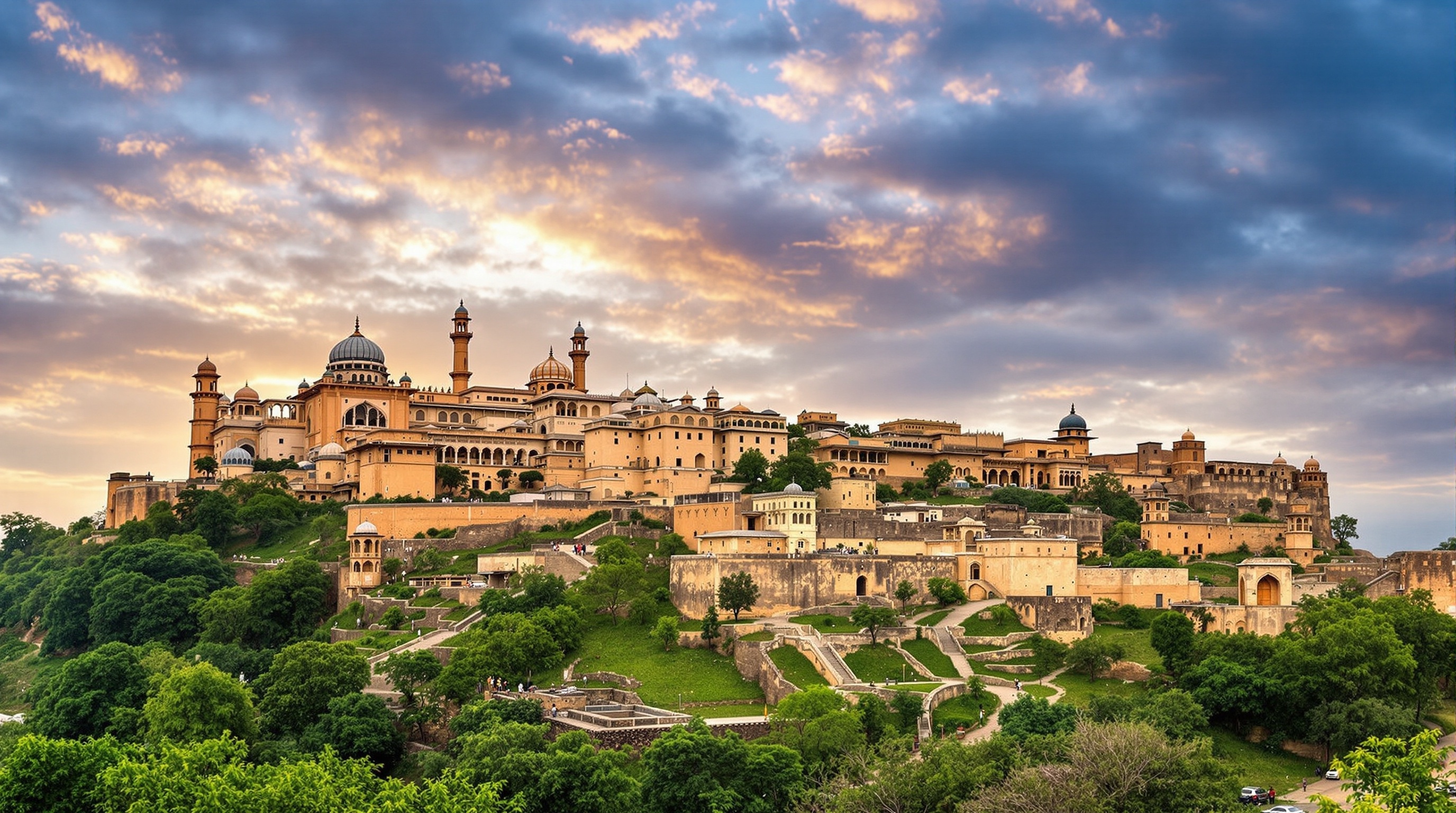
Champaner-Pavagadh Archaeological Park: A UNESCO World Heritage Marvel
The crown jewel of Godhra's attractions, the Champaner-Pavagadh Archaeological Park stands as one of India's most significant historical sites. Located just 45 kilometers from Godhra city center, this UNESCO World Heritage Site represents the only complete and unchanged Islamic pre-Mughal city in India. The archaeological park spans over 1,329 hectares and includes more than 114 monuments of historical significance, dating from the 8th to 14th centuries.
The site tells the fascinating story of the region's evolution through various historical periods. Originally established as a Hindu fortress city, Champaner was conquered by Sultan Mahmud Begada in 1484, who transformed it into his capital. The sultan's vision resulted in the creation of a remarkable urban landscape that seamlessly blended Islamic architecture with Hindu and Jain traditions, creating a unique Indo-Islamic architectural style that would influence Gujarat's architectural development for centuries to come.
Key Monuments Within Champaner-Pavagadh
The Jama Masjid, considered one of the finest mosques in Western India, exemplifies the synthesis of Hindu and Islamic architectural traditions. Built in 1513, its design incorporates elements from destroyed Hindu and Jain temples, creating a unique architectural harmony. The mosque's 172 pillars support a series of domes, creating a forest of columns that provides both structural support and aesthetic beauty. The intricate carvings on these pillars showcase geometric patterns, floral motifs, and calligraphy that reflect the artistic excellence of the period.
The Pavagadh Hill, rising 762 meters above sea level, forms the dramatic backdrop to the archaeological park. At its summit sits the Kalika Mata Temple, one of the 51 Shakti Peethas, making it an important Hindu pilgrimage site. The temple attracts thousands of devotees, particularly during the Navratri festival. A cable car service, operational since 2005, provides convenient access to the hilltop, offering breathtaking panoramic views of the surrounding landscape during the ascent.
Visitor Information for Champaner-Pavagadh
- Entry Timings: Sunrise to sunset (approximately 6:00 AM to 6:00 PM)
- Entry Fees: ₹30 for Indians, ₹500 for foreign nationals
- Cable Car Charges: ₹155 for round trip (subject to change)
- Best Time to Visit: October to March for pleasant weather
- Time Required: Full day (6-8 hours) for comprehensive exploration
- Guides Available: Licensed guides available at entrance (₹500-1000 for groups)
Kanelav Lake: Godhra's Serene Oasis
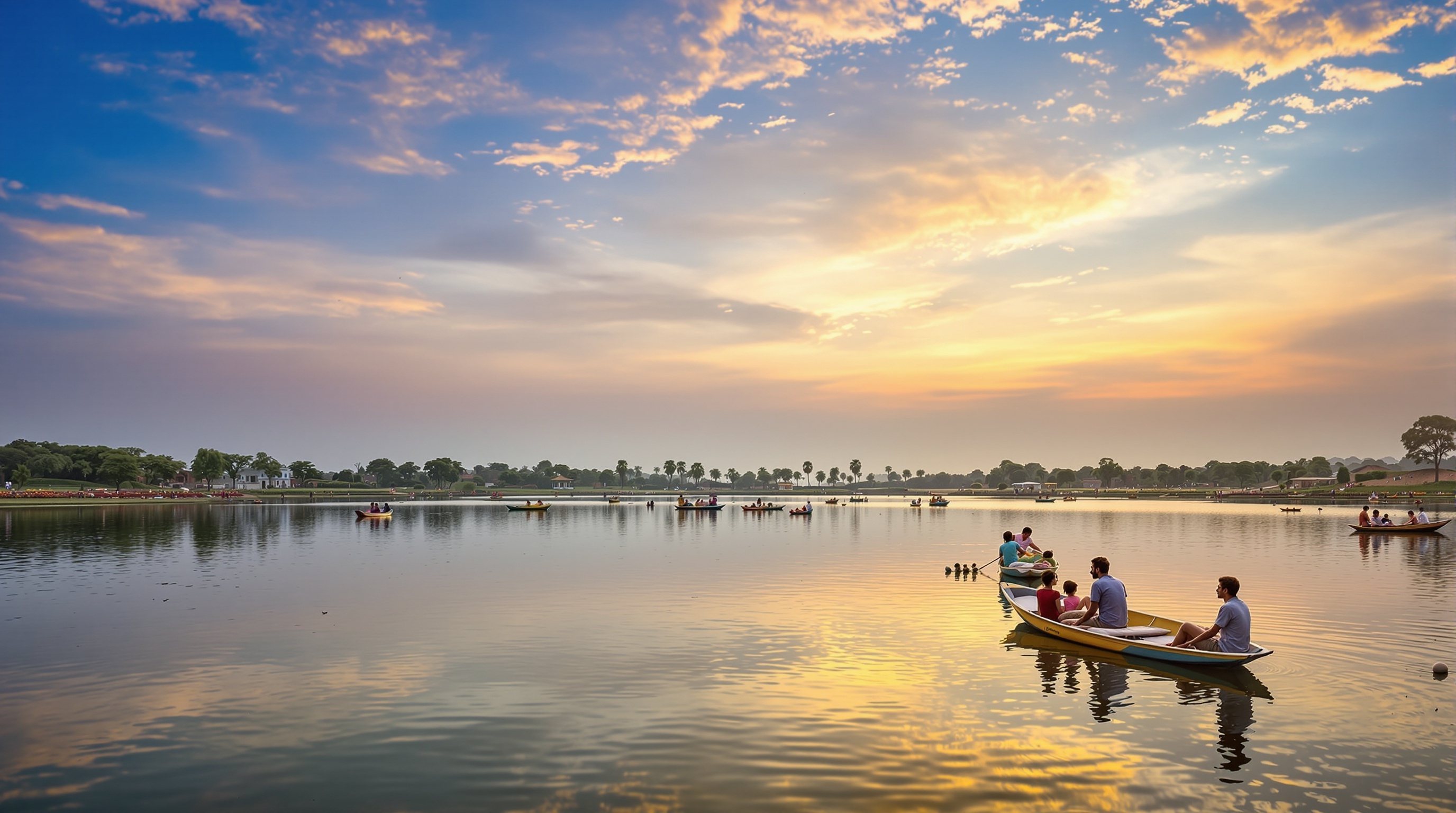
Kanelav Lake, also known as Kanelao Talav, serves as Godhra's favorite recreational spot and a testament to historical water management systems. This artificial lake, constructed during the medieval period, originally served as a crucial water reservoir for the city. Today, it has evolved into a popular destination for locals and tourists seeking respite from urban life. The lake spans approximately 2 square kilometers and is surrounded by well-maintained gardens and walking paths that make it ideal for morning walks, evening strolls, and family picnics.
Recent development initiatives have transformed the lake's periphery into a modern recreational complex while preserving its historical character. The addition of children's play areas, exercise equipment, and seating arrangements has made it a comprehensive leisure destination. The lake attracts numerous migratory birds during winter months, making it a paradise for birdwatchers. Species commonly spotted include painted storks, pelicans, flamingos, and various types of ducks and herons, creating a vibrant ecosystem that adds to the lake's natural beauty.
Activities and Amenities at Kanelav Lake
The lake offers various recreational activities that cater to different age groups and interests. Boating facilities are available, with options for pedal boats and rowing boats that allow visitors to explore the lake's expanse while enjoying the serene surroundings. The recently introduced musical fountain show, operational on weekends and holidays, has become a major attraction, combining water, light, and sound in a spectacular display that draws large crowds.
The lakeside promenade, stretching for nearly 3 kilometers, provides an excellent venue for walking, jogging, and cycling. Fitness enthusiasts gather here during early morning and evening hours, creating a vibrant community atmosphere. Food stalls and small eateries along the promenade offer local snacks and refreshments, allowing visitors to sample Godhra's street food while enjoying lake views. The area is particularly enchanting during festivals when special lighting and decorations transform it into a celebration venue.
Ancient Temples: Spiritual Heritage of Godhra
Godhra's religious landscape is dotted with numerous temples that showcase architectural brilliance and spiritual significance. These sacred sites not only serve as places of worship but also as repositories of art, culture, and history. Each temple tells a unique story through its architecture, sculptures, and associated legends, providing insights into the region's religious and cultural evolution over centuries.
Ranchhodji Temple
The Ranchhodji Temple, dedicated to Lord Krishna in his Ranchhodji avatar, stands as one of Godhra's most revered religious sites. Built in the 18th century, the temple showcases typical Gujarati temple architecture with intricate wooden carvings, colorful paintings, and ornate pillars. The temple's sanctum houses a beautiful black stone idol of Lord Krishna, believed to possess miraculous powers. Devotees from across Gujarat visit the temple, particularly during Krishna Janmashtami, when elaborate celebrations transform the entire area into a festive wonderland.
The temple complex includes several smaller shrines dedicated to various deities, creating a comprehensive spiritual center. The temple's haveli-style architecture, with its carved wooden facades and jharokhas (overhanging enclosed balconies), reflects the influence of regional architectural traditions. The annual Rath Yatra (chariot procession) organized by the temple attracts thousands of participants and spectators, making it one of Godhra's most significant religious events.
Bhadrakali Temple
Perched on a small hillock overlooking the city, the Bhadrakali Temple is dedicated to Goddess Kali and represents one of the oldest religious structures in Godhra. Archaeological evidence suggests that the original temple dates back to the 10th century, though the current structure reflects multiple periods of renovation and reconstruction. The temple's strategic location offers panoramic views of Godhra and surrounding areas, making the climb worthwhile for both spiritual and scenic rewards.
The temple is particularly significant during Navratri, when special prayers and cultural programs are organized. The goddess is believed to be the protector of the city, and many locals begin important ventures only after seeking her blessings. The temple's architecture combines elements from different periods, creating an eclectic mix that reflects the region's complex history. Ancient sculptures and inscriptions found in the temple complex provide valuable insights into the area's historical and cultural development.
Temple Visiting Guidelines
- Dress Code: Modest clothing recommended; avoid shorts and sleeveless tops
- Photography: Generally allowed in outer areas; prohibited in sanctum sanctorum
- Footwear: Must be removed before entering temple premises
- Offerings: Flowers, fruits, and sweets available at temple entrances
- Best Time: Early morning or evening for peaceful darshan
Historical Monuments and Architecture
Beyond the major attractions, Godhra houses numerous historical monuments that showcase different architectural styles and historical periods. These structures, though sometimes overlooked by casual tourists, offer fascinating glimpses into the city's past and the various cultural influences that have shaped its identity.
The Old City Gates
Remnants of Godhra's fortified past can be seen in the surviving city gates, known locally as darwazas. These gates once controlled access to the walled city and served both defensive and administrative purposes. The Mahuva Darwaza and Halol Darwaza, though partially ruined, still display architectural elements from the Sultanate period. The gates feature pointed arches, decorative niches, and inscriptions that provide historical information about their construction and purpose.
Conservation efforts are underway to preserve these structures, recognizing their importance as tangible links to Godhra's medieval urban planning. Walking tours that include these gates offer visitors opportunities to understand the city's historical layout and defensive strategies. Local historians and heritage enthusiasts often conduct guided walks that bring these silent sentinels to life through stories and historical anecdotes.
Colonial Era Buildings
The British colonial period left its mark on Godhra through several administrative and public buildings that continue to function today. The District Collectorate building, constructed in the Indo-Saracenic style, combines Indian architectural elements with Victorian Gothic features. Its red brick facade, pointed arches, and ornamental details make it a photographer's delight. The building's well-preserved interiors feature original wooden staircases, period furniture, and vintage photographs that transport visitors to the colonial era.
The old Post Office building, another colonial-era structure, showcases the functional yet elegant architecture typical of British public buildings. Though modernized for contemporary use, the building retains original features like high ceilings, large windows, and distinctive clock tower. These buildings serve as reminders of Godhra's importance as an administrative center during the British Raj and contribute to the city's architectural diversity.
Natural Attractions Around Godhra
The region surrounding Godhra offers several natural attractions that provide opportunities for eco-tourism and nature-based activities. These sites showcase Gujarat's diverse landscapes and offer refreshing alternatives to historical and religious tourism.
Jambughoda Wildlife Sanctuary
Located approximately 70 kilometers from Godhra, the Jambughoda Wildlife Sanctuary covers 130 square kilometers of dry deciduous forest. The sanctuary serves as a habitat for various wildlife species including leopards, sloth bears, blue bulls, and numerous bird species. The forest is also home to several tribal communities whose traditional lifestyles and cultural practices add anthropological interest to wildlife experiences.
The sanctuary offers nature trails, bird watching opportunities, and tribal tourism experiences. The best time to visit is between October and March when the weather is pleasant and wildlife sightings are more frequent. The forest department provides guided tours and has established several view points and water holes where animals can be observed in their natural habitat. The sanctuary's proximity to Godhra makes it an excellent day trip option for nature enthusiasts.
Shivrajpur Village and Dam
Shivrajpur, located about 25 kilometers from Godhra, has emerged as a picnic spot thanks to its scenic dam and surrounding landscapes. The dam, built across a seasonal river, creates a reservoir that attracts numerous birds and provides irrigation for surrounding agricultural lands. During monsoon and post-monsoon periods, the dam overflows, creating spectacular waterfalls that draw visitors from nearby areas.
The area around the dam has been developed with basic amenities including parking facilities, seating areas, and food stalls. The site offers opportunities for photography, nature walks, and relaxation away from urban crowds. Local farmers often sell fresh produce and traditional snacks, providing authentic rural experiences. The sunset views from the dam are particularly noteworthy, with the water reflecting golden hues against the backdrop of distant hills.
Day Trip Itineraries from Godhra
Heritage Circuit (Full Day): Start with Champaner-Pavagadh Archaeological Park in the morning, including cable car ride to Kalika Mata Temple. Return to Godhra for lunch at a local restaurant. Spend the afternoon exploring city temples and colonial buildings. End the day with sunset at Kanelav Lake.
Nature Trail (Full Day): Early morning departure to Jambughoda Wildlife Sanctuary for nature walk and wildlife spotting. Picnic lunch in the forest. Afternoon visit to tribal village for cultural interaction. Return via Shivrajpur Dam for sunset photography.
Markets and Shopping Areas
While not traditional tourist attractions, Godhra's markets offer authentic experiences and opportunities to observe local life while shopping for souvenirs and local products. These bustling commercial areas provide insights into the region's economic activities and social dynamics.
Station Road Market
The Station Road Market serves as Godhra's commercial heart, stretching from the railway station to the old city area. This bustling marketplace offers everything from traditional textiles and jewelry to modern electronics and household items. The market is particularly famous for its textile shops selling Bandhani, Patola, and other traditional Gujarati fabrics. Many shops have been run by the same families for generations, maintaining traditional business practices while adapting to modern retail trends.
The market comes alive during festival seasons when special decorations, lighting, and promotional offers create a carnival atmosphere. Street vendors selling local snacks, fresh fruits, and seasonal specialties add to the market's vibrancy. The evening hours see increased activity as locals combine shopping with socializing, making the market a social hub as much as a commercial center.
Vegetable and Flower Market
The wholesale vegetable and flower market, operational from early morning, offers fascinating insights into the region's agricultural economy. Farmers from surrounding villages bring fresh produce, creating a colorful display of seasonal vegetables, fruits, and flowers. The flower section is particularly impressive during festival seasons when demand for marigolds, roses, and other decorative flowers peaks.
Visiting the market during early morning hours provides opportunities to witness the auction process and observe traditional trading practices. The market's energy, with vendors calling out prices, buyers negotiating deals, and porters transporting goods, creates an authentic slice of Indian market life. Photography enthusiasts find the market's colors, characters, and activities provide excellent subjects, though it's advisable to seek permission before photographing individuals.
Plan Your Godhra Adventure
From ancient monuments to natural wonders, Godhra's attractions offer diverse experiences for every type of traveler. Start planning your itinerary today and discover the treasures of this fascinating city.
Explore Culture & Heritage Back to Home