The Living Heritage of Godhra: A Cultural Journey Through Time
Godhra's cultural heritage represents a fascinating confluence of various traditions, religions, and artistic expressions that have evolved over millennia. This vibrant tapestry weaves together Hindu, Muslim, Jain, and tribal influences, creating a unique cultural identity that distinguishes the region within Gujarat's broader cultural landscape. The city's position as a historical crossroads has enriched its cultural practices, resulting in distinctive festivals, art forms, culinary traditions, and social customs that continue to thrive in the modern era.
Understanding Godhra's culture requires appreciating its role as a bridge between different communities and traditions. The city has historically served as a meeting point for traders, pilgrims, artists, and scholars, each contributing to its cultural evolution. This cosmopolitan heritage manifests in the city's architecture, language, cuisine, and social practices, creating a cultural environment that is both deeply rooted in tradition and remarkably inclusive in its embrace of diversity.
Festivals: The Heartbeat of Godhra's Cultural Life
Festivals in Godhra are not merely religious observances but comprehensive cultural experiences that bring together entire communities in celebration. These occasions showcase the city's artistic traditions, culinary heritage, and social bonds, creating memories that last lifetimes and traditions that pass through generations. The festival calendar reflects the city's multicultural character, with Hindu, Muslim, Jain, and tribal celebrations creating a year-round cycle of cultural activities.
Navratri: Nine Nights of Divine Celebration
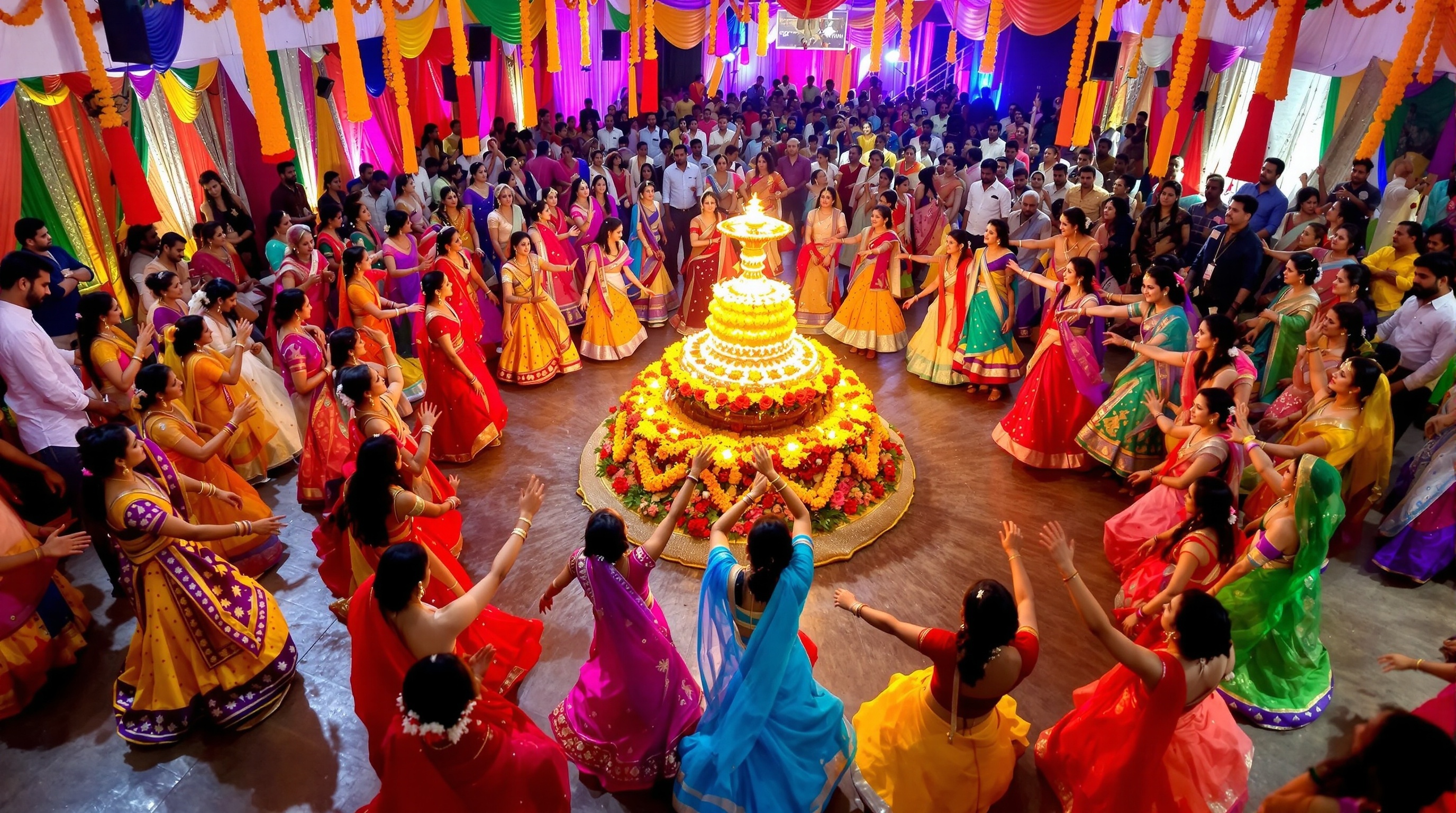
Navratri, the nine-night festival dedicated to Goddess Durga, represents the pinnacle of Godhra's cultural calendar. The city transforms into a massive celebration venue, with every neighborhood organizing its own Garba and Dandiya Raas events. The festival's significance extends beyond religious devotion, serving as a platform for cultural expression, social interaction, and community bonding. Traditional Garba grounds, known as Garba mandals, are decorated with lights, flowers, and colorful fabrics, creating magical environments for the nightly celebrations.
The Garba dance itself is an art form that requires skill, stamina, and grace. Dancers move in circular patterns around a centrally placed lamp or image of the goddess, their movements synchronized to traditional folk songs and modern fusion music. The traditional three-clap pattern of Garba has evolved into numerous variations, with each region and community adding its unique style. In Godhra, the Garba style combines influences from central Gujarat with local innovations, creating distinctive choreographic patterns that regular participants can identify immediately.
The Dandiya Raas, performed with decorated sticks, adds another dimension to the Navratri celebrations. This dance form, believed to represent the battle between Goddess Durga and the demon Mahishasura, involves intricate footwork and stick movements that require considerable practice. Local dance schools begin preparing students months in advance, and competition events attract participants from across the region. The energy and enthusiasm during Dandiya sessions, particularly among young people, create an electric atmosphere that must be experienced to be fully appreciated.
Holi: The Festival of Colors
Holi celebrations in Godhra blend traditional religious observances with contemporary social festivities. The festival begins with Holika Dahan, the ritualistic burning of bonfires on the eve of Holi, symbolizing the triumph of good over evil. Communities gather around these fires, performing prayers, singing traditional songs, and sharing prasad (blessed food). The following day explodes in a riot of colors as people of all ages take to the streets with colored powders (gulal) and water, creating a carnival atmosphere that temporarily dissolves social barriers.
Godhra's Holi has unique local traditions, including the preparation of special foods like gujiya (sweet dumplings), thandai (a cooling drink with nuts and spices), and various savory snacks. The city's markets buzz with activity in the days leading up to Holi, selling organic and synthetic colors, water guns (pichkaris), and festive decorations. Environmental consciousness has led to increasing use of natural colors made from flowers and herbs, reviving traditional practices that had been replaced by synthetic alternatives.
Makar Sankranti: The Kite Festival
Makar Sankranti, celebrated on January 14th, marks the sun's transition into Capricorn and is observed in Godhra with enthusiastic kite flying. The city's skyline becomes a battlefield of colorful kites as residents engage in friendly aerial combat from rooftops and terraces. The tradition of kite flying, known locally as Uttarayan, involves specialized techniques for maneuvering kites and cutting opponents' strings using glass-coated manja (kite string). Expert kite flyers, called patangbaaz, are highly respected for their skills in controlling multiple kites simultaneously and executing complex aerial maneuvers.
The festival also features traditional foods, particularly til-gud (sesame and jaggery sweets) and undhiyu (a mixed vegetable dish), which are believed to provide warmth during winter. Kite markets spring up across the city weeks before the festival, offering kites in countless designs, from traditional diamond shapes to modern aerodynamic models. The social aspect of Makar Sankranti is equally important, with families and friends gathering on rooftops for day-long celebrations that include music, food, and friendly competition.
Annual Festival Calendar
- January: Makar Sankranti (Kite Festival)
- March: Holi (Festival of Colors)
- April: Ram Navami, Mahavir Jayanti
- August: Janmashtami (Lord Krishna's Birthday)
- August-September: Ganesh Chaturthi
- September-October: Navratri and Dussehra
- October-November: Diwali (Festival of Lights)
- November: Guru Nanak Jayanti, Dev Diwali
Traditional Arts and Crafts: Preserving Ancient Skills
Godhra's artistic traditions encompass various crafts that have been passed down through generations, each representing centuries of refinement and cultural significance. These crafts not only provide livelihoods for numerous artisan families but also serve as tangible links to the region's cultural past. The city's position on historical trade routes exposed local artisans to diverse influences, resulting in unique hybrid styles that distinguish Godhra's crafts from those of other Gujarat regions.
Bandhani: The Art of Tie and Dye
Bandhani, the ancient art of tie-dye textile decoration, flourishes in Godhra with distinctive local variations. This intricate craft involves tying small portions of fabric with thread before dyeing, creating patterns that range from simple dots to complex figurative designs. The process requires exceptional skill and patience, with master artisans capable of creating thousands of tiny knots to form elaborate patterns. Godhra's Bandhani work is particularly noted for its fine dots (bindi) and use of natural dyes that produce subtle, long-lasting colors.
The Bandhani tradition in Godhra involves entire families, with different members specializing in various aspects of the process. Women typically handle the tying process, their nimble fingers creating precise patterns from memory or simple paper templates. Men often manage the dyeing process, which requires knowledge of color chemistry and temperature control. The finished products include sarees, dupattas, turbans, and dress materials that are sold locally and exported to other parts of India and abroad.
Pottery and Terracotta Work
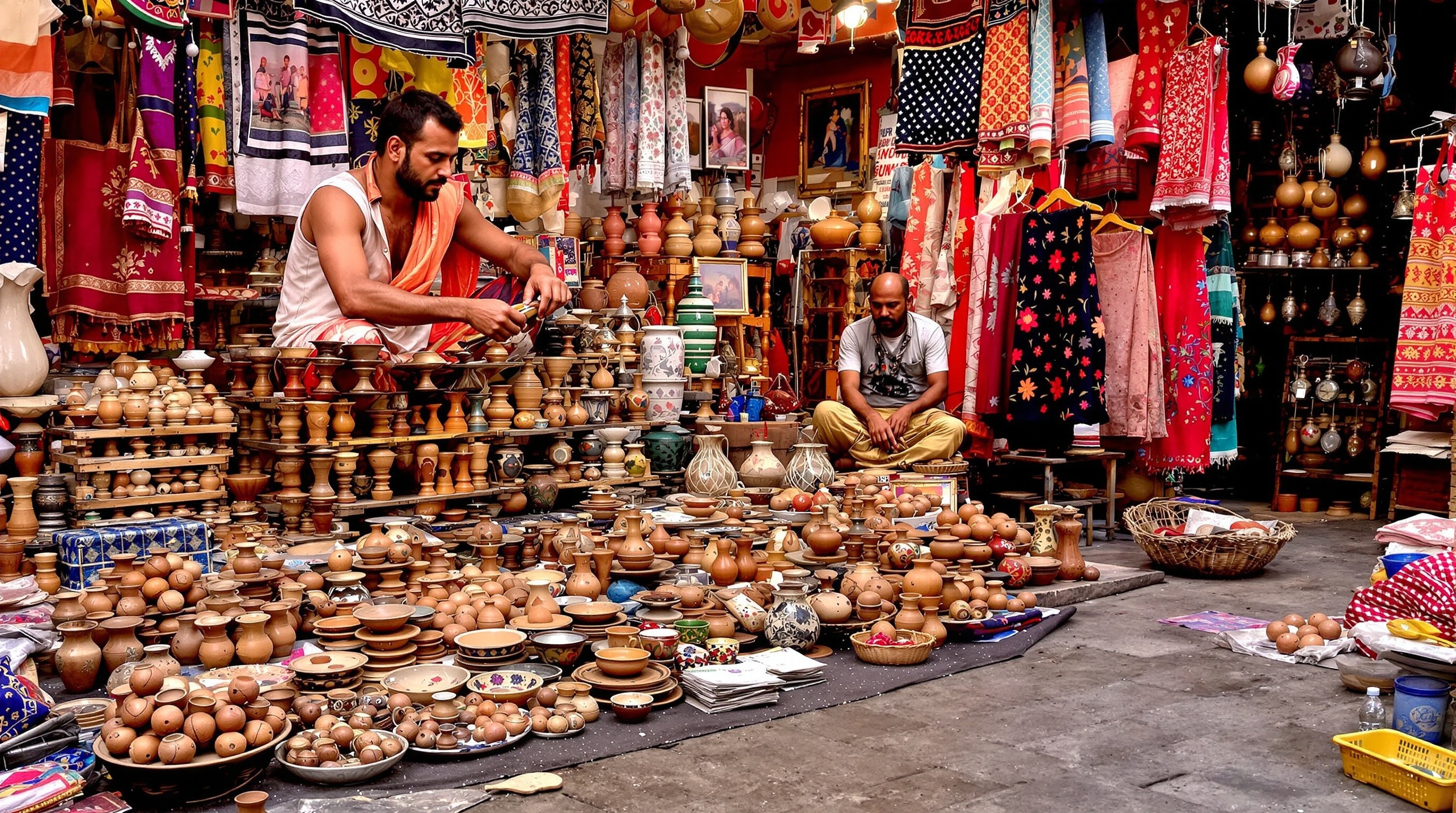
The pottery tradition in Godhra dates back to ancient times, with archaeological evidence suggesting continuous ceramic production for over two millennia. Local potters, known as Kumbhars, create both utilitarian and decorative items using techniques that have remained largely unchanged for centuries. The clay used comes from nearby riverbanks and is processed using traditional methods that ensure optimal plasticity and strength. Products range from everyday water pots (matkas) and cooking vessels to decorative items and festival-specific creations.
Contemporary pottery in Godhra has adapted to modern demands while maintaining traditional aesthetics. Artisans now produce decorative pieces for urban markets, including planters, lamp shades, and wall hangings that incorporate traditional motifs with contemporary designs. The terracotta work includes intricate figurines, particularly those depicting deities, animals, and scenes from rural life. These pieces are especially popular during festivals like Diwali and Navratri when homes are decorated with traditional crafts.
Embroidery and Needlework
Godhra's embroidery traditions combine influences from various Gujarat regions, creating distinctive styles that reflect the city's multicultural heritage. The most prominent form is mirror work (abhla bharat), where small mirrors are sewn onto fabric using colorful threads to create dazzling patterns. This technique, believed to ward off evil spirits, is used extensively in traditional garments, wall hangings, and decorative items. Local artisans have developed unique variations that incorporate beadwork, sequins, and metallic threads, creating pieces that are both traditional and contemporary.
The embroidery work extends to various forms including chain stitch, cross stitch, and satin stitch, each used to create specific effects and patterns. Traditional motifs include peacocks, parrots, flowers, geometric patterns, and religious symbols, often combined in complex compositions that tell stories or convey blessings. Women's self-help groups have organized to preserve and promote these crafts, providing training to younger generations and creating market linkages that ensure economic sustainability.
Performing Arts: Music, Dance, and Drama
The performing arts tradition in Godhra encompasses various forms that serve religious, social, and entertainment purposes. These art forms, deeply embedded in community life, provide platforms for cultural expression, social commentary, and preservation of oral traditions. The city's performance spaces range from formal auditoriums to informal street corners, each hosting different types of performances that cater to diverse audiences.
Folk Music Traditions
Godhra's folk music tradition includes various forms that accompany different occasions and seasons. Bhajans (devotional songs) form the core of religious music, performed in temples and during religious gatherings. These songs, often accompanied by traditional instruments like harmonium, tabla, and manjira (small cymbals), create devotional atmospheres that transport listeners into spiritual realms. Local bhajan mandalis (groups) maintain repertoires of hundreds of songs, each appropriate for specific deities, occasions, or times of day.
Secular folk songs include work songs sung during agricultural activities, celebration songs for weddings and births, and narrative songs that tell historical or mythological stories. The Charani and Bhavai traditions, though less common now, still find practitioners who perform during special occasions. These performances often include improvisation and audience interaction, creating dynamic entertainment experiences that adapt to contemporary themes while maintaining traditional structures.
Classical and Semi-Classical Forms
While Godhra is not primarily known as a center for classical arts, the city has produced several notable performers and maintains active communities of classical music and dance practitioners. Hindustani classical music finds appreciative audiences, with regular concerts organized by cultural organizations. Local music schools teach vocal and instrumental music, with the harmonium, tabla, and sitar being the most popular instruments. Annual music festivals bring renowned artists to the city, providing exposure to high-quality performances and inspiring local talent.
Kathak, the classical dance form most popular in Gujarat, has several accomplished teachers and performers in Godhra. Dance schools combine traditional training with modern pedagogical methods, producing students who perform at local, state, and national levels. The influence of Bollywood has led to fusion forms that combine classical techniques with popular dance styles, appealing to younger audiences while maintaining connections to traditional roots.
Cultural Learning Opportunities
- Garba/Dandiya Classes: Available at multiple dance schools, especially before Navratri
- Music Lessons: Vocal and instrumental training in classical and folk traditions
- Craft Workshops: Bandhani, embroidery, and pottery classes for tourists and locals
- Cooking Classes: Traditional Gujarati cuisine workshops at select venues
- Language Courses: Gujarati language classes for non-native speakers
Culinary Heritage: The Flavors of Tradition
Godhra's culinary heritage reflects the region's agricultural abundance, religious influences, and historical trade connections. The predominantly vegetarian cuisine has developed sophisticated techniques and flavor combinations that maximize taste while adhering to dietary restrictions. The city's food culture extends beyond mere sustenance, encompassing social rituals, religious observances, and cultural identity. Traditional recipes, passed down through generations, preserve not just flavors but also memories, stories, and cultural values.
Traditional Gujarati Thali
The Gujarati thali served in Godhra represents a complete meal that balances nutrition, taste, and cultural significance. A typical thali includes multiple components served in a specific order, each contributing to the overall dining experience. The meal begins with appetizers like papad and pickles, followed by vegetables (shaak), lentils (dal), kadhi (yogurt curry), rice, and bread (roti or puri). Sweet dishes are served alongside savory items, reflecting the Gujarati preference for combining contrasting flavors.
The preparation of thali components involves complex cooking techniques that have been refined over centuries. Vaghar (tempering) with specific spice combinations, careful balance of sweet and sour elements, and precise cooking times ensure optimal flavors and textures. Seasonal variations incorporate fresh, locally available ingredients, with special preparations for festivals and celebrations. The communal aspect of thali dining, where multiple people share the same meal, reinforces social bonds and cultural continuity.
Street Food Culture
Godhra's street food scene offers affordable, delicious options that reflect local tastes and innovations. Morning begins with breakfast items like jalebi-fafda, khaman dhokla, and poha, each vendor maintaining loyal customer bases through consistent quality and personalized service. Evening snacks include various chaats, bhajiya (fritters), and seasonal specialties that provide social gathering points for residents. The street food culture democratizes dining, bringing together people from different economic backgrounds over shared culinary experiences.
Food safety and hygiene standards have improved significantly, with many vendors now using filtered water, disposable plates, and maintaining cleaner preparation areas. The municipality's efforts to organize street food zones have created designated areas where vendors can operate legally while maintaining standards. These zones have become tourist attractions, offering visitors safe opportunities to experience authentic local flavors without concerns about hygiene.
Social Customs and Traditions
Social customs in Godhra reflect the complex interplay of traditional values and modern influences. Family structures, though evolving, maintain strong bonds that provide social security and cultural continuity. Joint family systems, while less common than before, still influence social organization, with extended families gathering for important occasions and decisions. The concept of community extends beyond blood relations, with neighborhood associations, caste groups, and religious communities providing additional social networks.
Marriage Traditions
Wedding ceremonies in Godhra involve elaborate rituals that can span several days, each ceremony having specific significance and requirements. Pre-wedding rituals include engagement ceremonies (sagai), mehndi (henna application), and sangeet (musical celebration). The main wedding ceremony follows Vedic traditions for Hindus, with variations based on community customs. Muslim weddings follow Islamic traditions with local cultural additions. The emphasis on community participation means weddings become social events that strengthen community bonds.
Modern influences have modified traditional practices, with destination weddings, themed decorations, and professional event management becoming common among affluent families. However, core rituals remain unchanged, preserving cultural continuity across generations. The gift-giving tradition, including the trousseau system, continues with modifications that reflect contemporary lifestyles. Wedding food remains traditionally vegetarian for most communities, with elaborate multi-course meals that showcase culinary traditions.
Religious Harmony and Syncretism
Godhra's multicultural environment has fostered traditions of religious harmony and cultural syncretism. Shared celebrations of festivals, regardless of religious affiliation, create inclusive cultural spaces. The tradition of visiting each other during religious festivals, exchanging sweets and greetings, maintains social cohesion despite religious differences. Sufi shrines attract devotees from all religions, representing spaces where religious boundaries become fluid.
The syncretic culture manifests in various practices, including shared architectural styles, culinary exchanges, and linguistic borrowings. Local dialect incorporates words from Hindi, Urdu, and English alongside Gujarati, creating a unique linguistic identity. This cultural synthesis, developed over centuries, provides a model for peaceful coexistence that remains relevant in contemporary times.
Cultural Etiquette for Visitors
Dress Code: Modest clothing is appreciated, especially when visiting religious sites or attending cultural events. Women may want to carry a scarf for head covering in certain religious spaces.
Greetings: "Namaste" with folded hands is the traditional greeting. Handshakes are common in business settings but may not be appropriate between opposite genders in traditional contexts.
Dining Etiquette: Vegetarian food is the norm; always inquire about dietary restrictions when invited to homes. Eating with the right hand is traditional, and shoes are removed before entering dining areas in homes.
Photography: Always ask permission before photographing people, especially women and in religious contexts. Some temples and shrines prohibit photography entirely.
Preserving Heritage for Future Generations
The challenge of preserving Godhra's cultural heritage while embracing modernization requires conscious efforts from government, civil society, and individuals. Documentation projects are recording oral histories, traditional knowledge, and disappearing practices. Cultural organizations conduct workshops, exhibitions, and festivals that provide platforms for traditional artists and performers. Educational institutions increasingly incorporate local history and culture into curricula, ensuring younger generations understand their heritage.
Digital technology offers new opportunities for heritage preservation and dissemination. Online archives, virtual museums, and social media platforms help reach global audiences interested in Godhra's culture. Young people, often criticized for abandoning traditions, are finding innovative ways to engage with heritage through fusion arts, cultural entrepreneurship, and digital storytelling. This creative engagement ensures cultural continuity while allowing for evolution and adaptation.
Tourism, when managed responsibly, provides economic incentives for heritage preservation. Cultural tourism initiatives that involve local communities ensure benefits reach traditional practitioners while maintaining authenticity. The challenge lies in balancing commercial viability with cultural integrity, avoiding the commodification that can hollow out living traditions. Godhra's approach emphasizes community participation and benefit-sharing, creating sustainable models for cultural preservation.
Experience Godhra's Living Culture
Immerse yourself in the vibrant traditions, colorful festivals, and warm hospitality that make Godhra a unique cultural destination. Plan your visit to coincide with major festivals for an unforgettable cultural experience.
Start Planning Your Trip Explore Attractions